


.svg)
.svg)
.svg%201.svg)



Get Business Email
No domain name required
Build your wedding website
with Neo Sites

What if your wedding details didn’t live across scattered messages, missed calls, and endless follow-ups? For modern couples, a wedding website is no longer a “nice-to-have” add-on. It is the central place where guests find clarity, updates, and context about your big day.
Wedding planning in the present day is becoming more digital. Visitors are not supposed to get lost in schedules, directions, RSVP, and updates. By building properly-designed wedding websites, couples will eliminate the stress associated with the planning process, eliminate confusion, and make the entire process smoother.
Learn how well-planned wedding websites can make people feel confident, ease the process of organization, and show the personal style of the couple.
Summary
A wedding site serves as a single source of truth about your wedding, which is available at all times. It assists guests in learning your story, event details, confirming attendance, and being notified about any changes.
A domain name, a hosting service, and a web building tool are generally required to develop a wedding site. Couples can now build and publish wedding websites with no technical expertise or external designers using modern AI-powered or no-code website builders.
Here’s how you can make your wedding website practical and guest-friendly:
- Keep all the vital wedding information in a single location.
- Ease the process of RSVP and communicating with guests.
- Include your own experience and the theme of the wedding.
- Eliminate last-minute confusion and redundant questions.
If you’re looking for easy-to-use platforms to build wedding websites, popular options include Neo Sites, Wix, Squarespace, Zola, and Weebly.
What is a Wedding Website?
A wedding website is a customized online site that is designed by couples to exchange wedding details with their guests. It is an online guide that conveys the information about events, schedules, venues, and updates in a clear and consistent manner.
A wedding site has the following:
- Introduction or story of couples
- Details of the venue and the schedule of the event
- Invitation and guest reply forms
- Details about transportation, lodging, and route
- Dress code, registration, or frequently asked questions
Benefits of Having a Wedding Website
Creating a wedding website offers practical and emotional benefits for both couples and guests. Here are a few prominent ones:
1. Centralized Wedding Information
A wedding website ensures all guests have access to the same, updated information. Couples do not have to respond to the same message or call to get information about schedules, locations, and instructions because they can refer to a single source of reliable information. This minimizes misunderstandings, oversights, and coordination problems at the last minute.
2. Simplified RSVP Management
The manual tracking by calling or texting is substituted with online RSVP forms. Couples can gather attendance confirmations, meal choices, and guest notes from the wedding website. This simplifies the process of planning seating, catering, and logistics and makes it more accurate.
3. Better Guest Experience
Guests appreciate clarity. A wedding site assists them in planning their travel, dressing, finding a venue, and what to expect. When the guests are well-informed and confident, the entire wedding experience becomes more enjoyable and stress-free.
4. Personal Storytelling
Wedding websites allow couples to share their journey, values, and personalities. Whether through a short story, photos, or messages, the site becomes more than logistics; it becomes meaningful. This personal touch makes the guests emotionally attached prior to the celebrations.
5. Real-Time Updates and Flexibility
Last-minute changes happen. By having a wedding site, the couple can update information immediately rather than using word of mouth. This flexibility is especially useful for multi-day weddings or destination celebrations.
How Can a Wedding Website Be Used?
Wedding websites can be customized based on the couple’s needs, wedding size, and cultural context.
1. Event Information Hub
Wedding websites serve as a one-stop manual to the event for most couples. This covers the times of the ceremony, the reception, venue plans, parking guidelines, and contact information. Guests know exactly where to go and when.
2. RSVP and Guest Coordination
Wedding sites usually provide the RSVP forms, plus-ones, meal preferences, or the attendance of multiple events. This simplifies the process of communication and eliminates manual follow-ups.
3. Destination Wedding Guide
For destination weddings, websites play a critical role. Couples can exchange travel tips, accommodation, itineraries, and local recommendations. This assists the visitors in making arrangements effectively and feeling empowered.
4. Wedding Story and Gallery
Most couples rely on wedding sites to tell their story, engagement pictures, or pre-wedding shoots. This brings emotional dimension and introduces a personal layer beyond logistics.
5. Post-Wedding Updates
Once the wedding has taken place, photo galleries, thanksgiving notes, or captured moments can be included in the site. This allows couples to carry on the celebration online.
Examples to Get Started With Wedding Websites
Here are some template ideas couples can customize using drag-and-drop website builders:
1. Classic Wedding Website Template
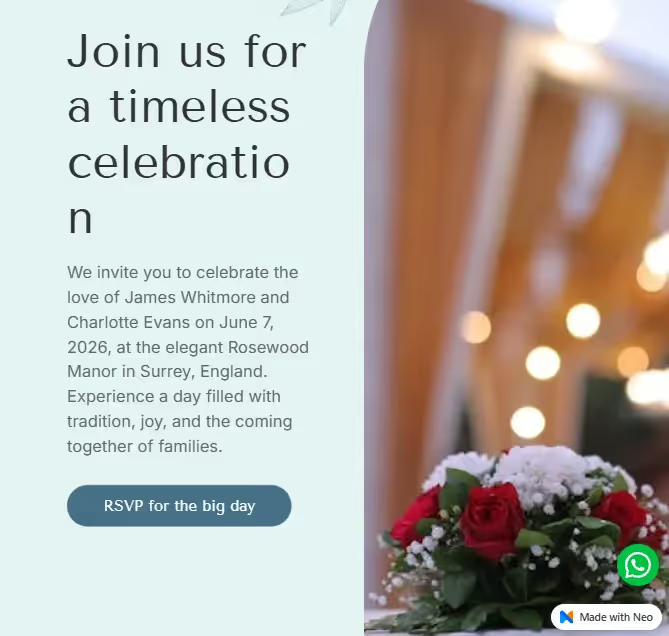
Get the template: Link
What makes this template effective?
- Soft pastel background creates a calm, classic feel
- Floral imagery adds warmth and elegance
- Rounded CTA feels inviting without being loud
- Strong contrast keeps text easy to read
- Vertical layout feels traditional and composed
2. Destination Wedding Template
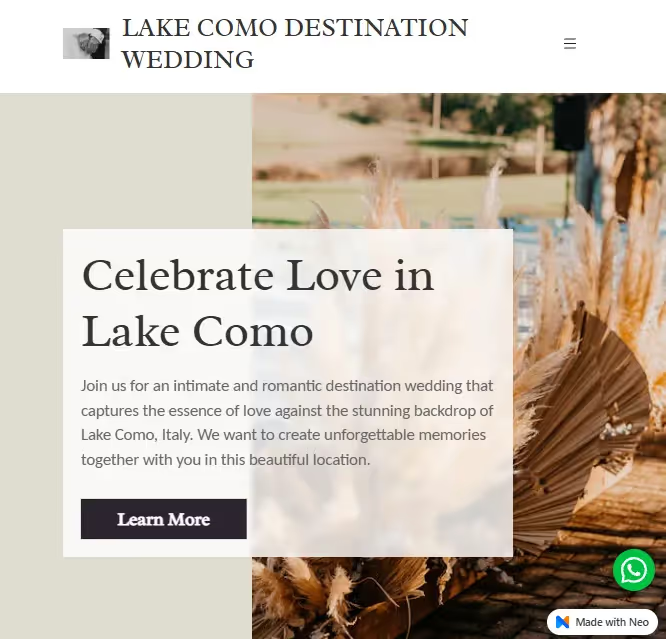
Get the template: Link
What makes this template effective?
- Scenic imagery instantly highlights the destination appeal
- Soft, earthy colour palette feels warm and romantic
- Overlay card improves text readability on imagery
- Elegant serif typography adds a refined, European feel
- Subtle contrast keeps the design calm and balanced
3. Modern Minimal Template
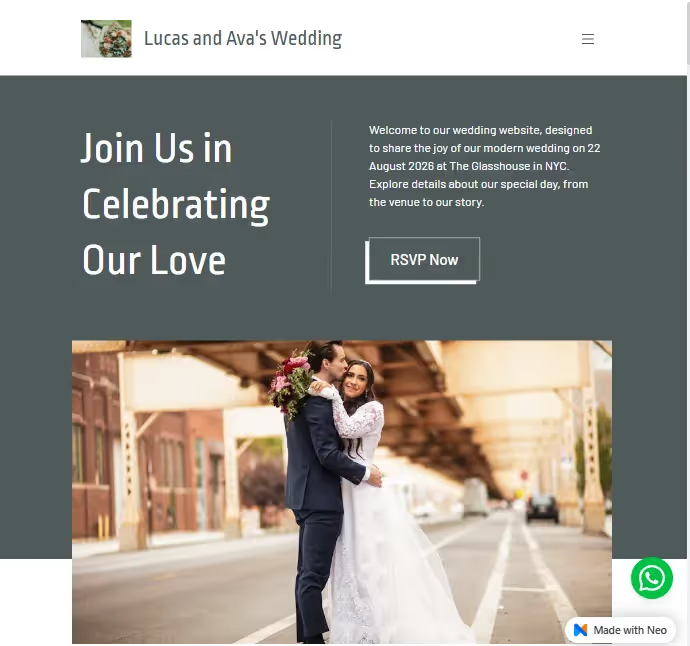
Get the template: Link
What makes this template effective?
- Strong modern layout with clear visual hierarchy
- Muted colour palette feels contemporary and refined
- Split layout balances text and visuals well
- Bold headline creates immediate focus
- Clean spacing keeps the design uncluttered
4. Story-Based Wedding Template
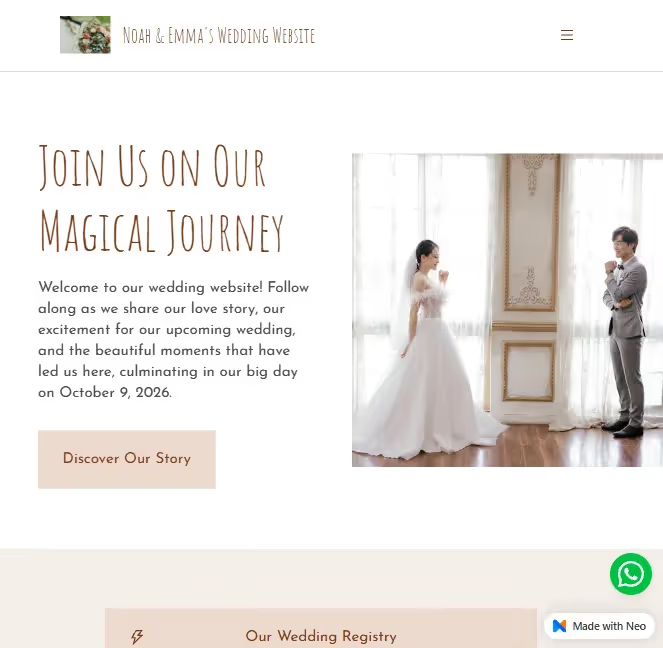
Get the template: Link
What makes this template effective?
- Soft, neutral colour palette feels calm and elegant
- Handwritten-style headline adds charm and personality
- Light background keeps the design airy and intimate
- Balanced text and imagery create a gentle visual flow
- CTA blends smoothly without breaking the mood
5. Multi-Event Wedding Template
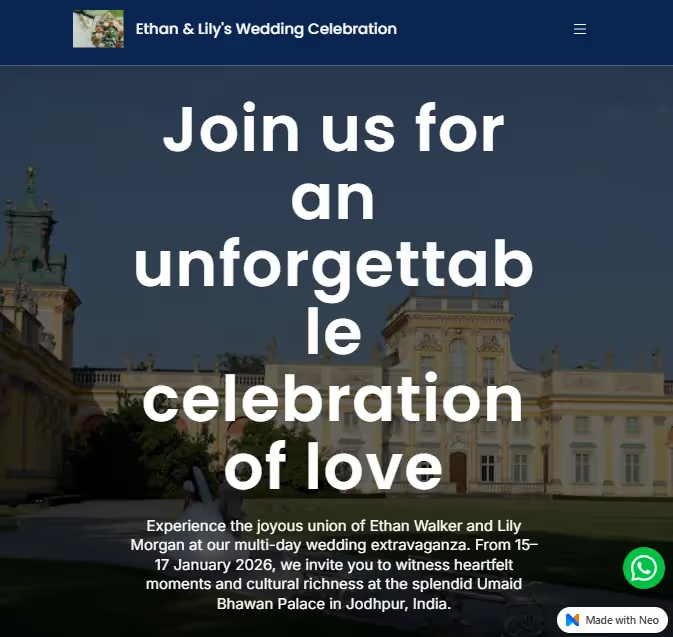
Get the template: Link
What makes this template effective?
- Strong hero image instantly sets a grand, destination-focused tone
- Dark overlay improves text contrast without hiding visual details
- Large, bold headline creates immediate visual impact
- Clean typography keeps the message easy to read
- Balanced spacing gives the layout an elegant, uncluttered feel
Looking to Create a Wedding Website Within Minutes? Try Neo Sites
With an AI-powered website builder, creating and publishing a wedding website is fast, simple, and does not require any technical skills. Neo Sites helps couples build a complete wedding website without relying on designers or developers.
Here’s how you can create your wedding website using Neo Sites:
Step 1. Visit Neo Sites and click on Try it yourself for free.

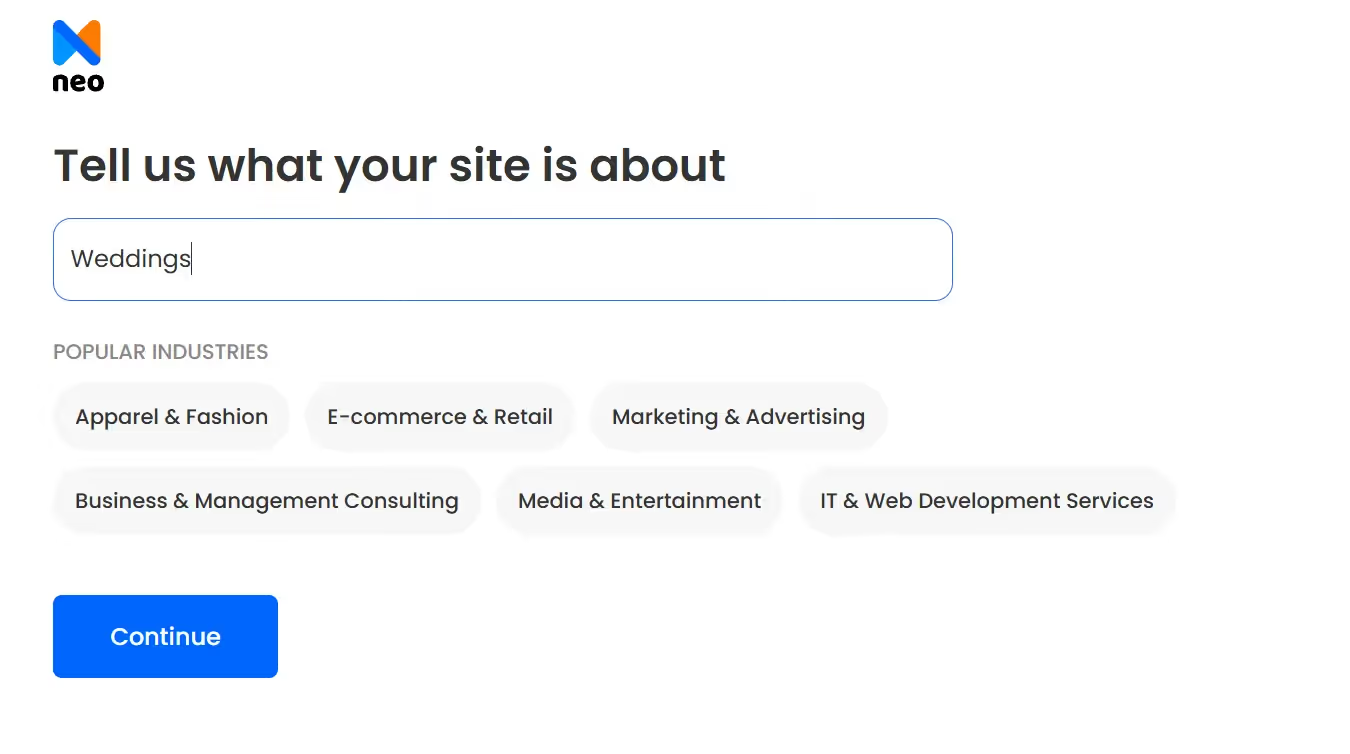
Step 2. Enter your website category, such as: Wedding, Event, or Personal Website.
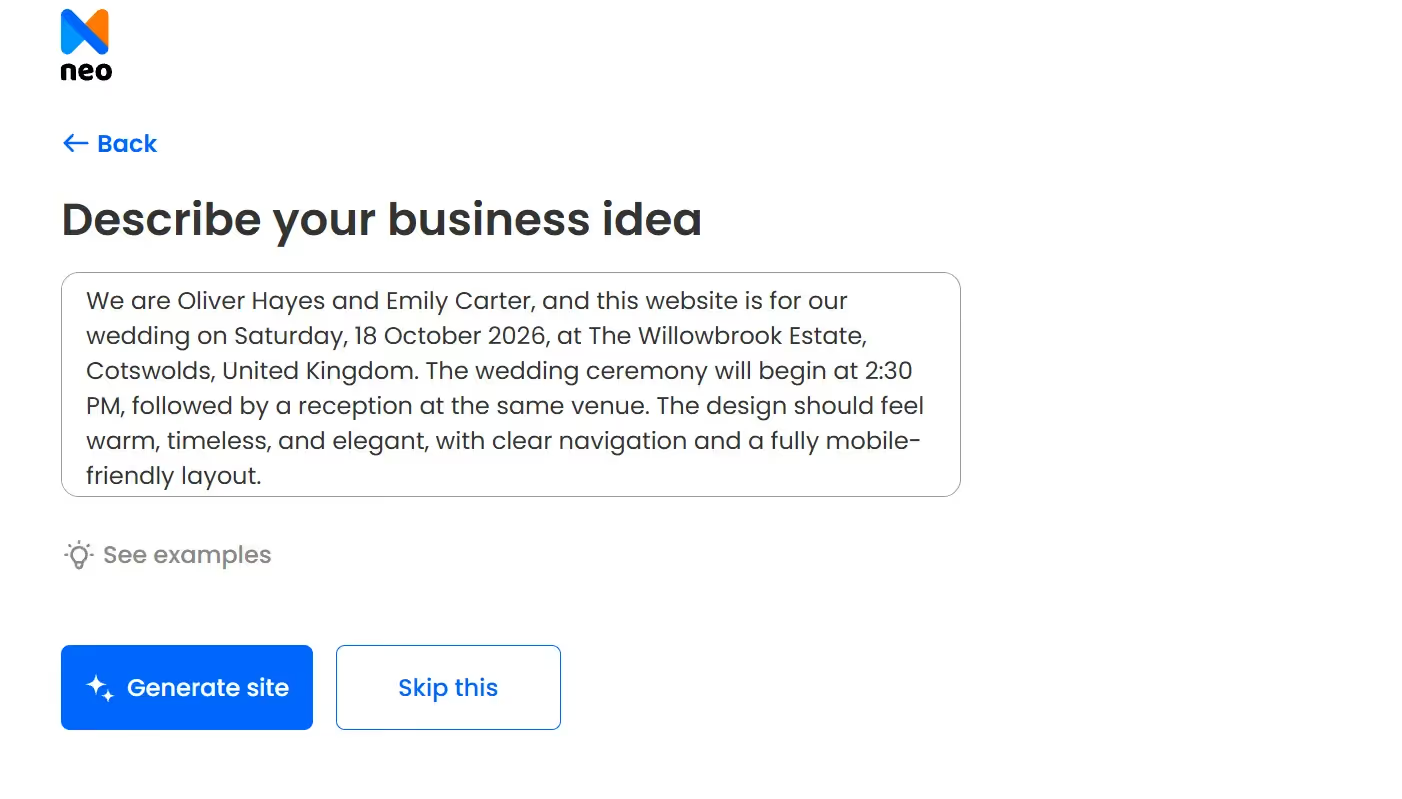
Step 3. Write a short prompt describing your wedding, including names, date, and style preferences and click on Generate Site.
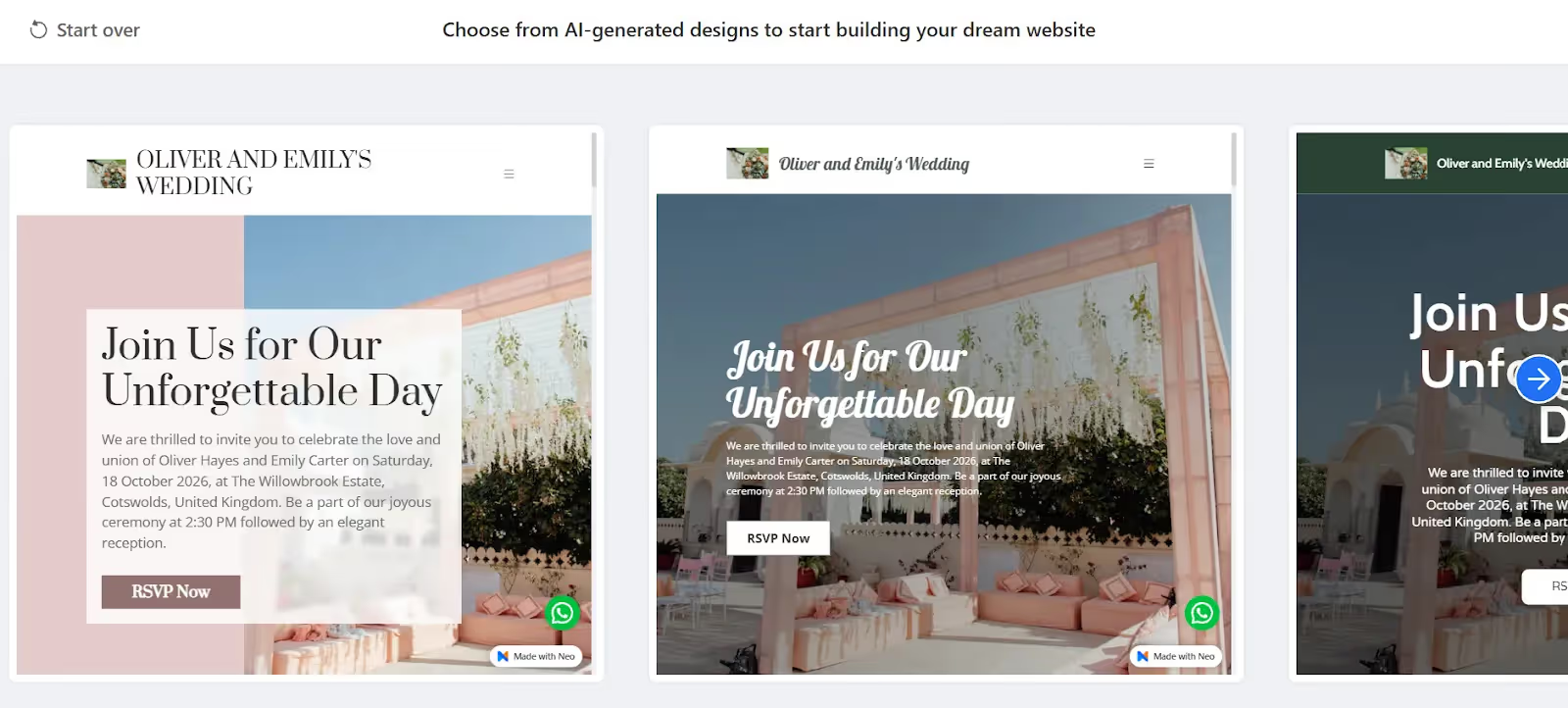
Step 4. Within minutes, Neo generates a complete wedding website layout with pre-filled sections and visuals. Choose a design and click on Edit this Design.
Step 5. Create your Neo account, register your custom domain, and publish your wedding website.
You can further personalize the website using the drag-and-drop editor. Details like event schedules, RSVP sections, travel information, and FAQs can be updated anytime. Neo Sites also allows couples to keep their wedding website live and editable as plans evolve.
Read More: How to use the email address generator create a custom email address for a wedding?
Things to Remember When Creating Wedding Websites
Below are some of the most important considerations when designing wedding websites that focus on the clarity of the guests. They will help you minimize planning stress and keep communication organized throughout the celebration.
- Decide the website’s role before designing it.
Before choosing layouts or colors, you need to decide whether your website will be more of an information guide, an RSVP manager, a destination planner, or a storytelling space. This choice must affect all the sections that you include and everything you leave out.
- Treat the website as a living document.
A wedding site is not a publish-and-forget resource. Construct it based on the fact that the time, places, or directions can vary. Select a layout that enables easy edits without interfering with the layout or navigation.
- Write for guests who are not close to you.
Not all guests know your family structure, customs, or inside references. Write explanations assuming the reader is attending your wedding for the first time and does not want to ask clarifying questions.
- Avoid overloading the homepage.
Resist putting all the information on the initial screen. The homepage must be able to orient the guests, not bombard them. Take advantage of it to lead visitors to areas instead of describing everything simultaneously.
- Keep language neutral and universally understandable.
Avoid family-specific shorthand, internal jokes, or culturally assumed terms without explanation. Wedding websites are read by guests across age groups, regions, and backgrounds.
- Make the website useful even after invitations are sent.
Your website should continue to add value after guests receive invitations. Use it to host updates, reminders, logistics, and post-event information rather than letting it become redundant.
- Balance personal expression with practical clarity.
Your personality should come through in tone and visuals, but never at the cost of clarity. If a design choice makes information harder to find, it is working against the purpose of the website.
- Assume guests will skim, not read.
Most guests scan, especially on mobile devices. Use short paragraphs, clear headings, and predictable section names so information can be found quickly without effort.
- Think of the website as a courtesy tool
At its core, a wedding website is a service to your guests. Each of the sections is supposed to respond to a real question, lessen uncertainty, or simplify attendance. If a section does not do that, reconsider including it.
Tips to Make Your Wedding Website More Effective
Here are tips to make your wedding website more effective by reducing guest confusion, simplifying coordination, and ensuring everyone has the right information at the right time:
- Anchor every page with the wedding date and city
Shared links or searches usually lead the guests to internal pages. The repetition of the date and city of the wedding in the header or footer will help avoid confusion and will make them sure that they are looking at the right event.
- Write the schedule backwards from the guest’s day
Instead of listing ceremonies in your planning order, structure timings based on how a guest experiences the day. For example: arrival time first, then the ceremony starts, then the reception flow. This reduces late arrivals and missed moments.
- Use venue names exactly as they appear on maps
Avoid poetic or shortened venue names. Enter the name of the exact location as identified by Google Maps to avoid errors in navigation, particularly when the outstation guests and drivers are involved.
- Separate “must know” from “nice to know”
Create a short section titled Essential Information (date, venue, arrival time, dress code). Place stories, galleries, and emotional content below. Guests under time pressure scan only the top.
- Explain dress codes with context, not labels
Terms like “festive formal” or “traditional chic” mean different things to different guests. Add one clarifying line explaining colors, level of formality, or footwear expectations.
- Ask one smart question in the RSVP
Rather than several questions, have one insightful question, such as: Do you have any travel or access needs that we should be aware of? This brings out actual issues at the initial stage without overwhelming the guests.
- Create a “first-time attendee” note
In case you have cultural or multi-day rituals in your wedding, include a brief message explaining what first-time guests can expect. This eases the anxiety and makes the guests feel like they belong.
- Add a last-updated timestamp
A simple line like “Last updated on March 12” builds trust and creates an impression that the information is up to date, particularly when there is a shift in the schedules.
- Use the website to reduce WhatsApp messages
Add a visible line that says, “For all updates and details, please refer to this website.” Guests follow cues when expectations are set clearly.
- Keep the URL simple and shareable
Avoid long or complex URLs. A brief, concise connection is simpler to communicate orally, copy into invitations, and resend in reminders.
How to Get a Website Without Increasing Your Budget?

If you think that deploying a website is an unnecessary expense, then you can go with email platforms that provide a free domain name, website, and even a business email address. This way, you will:
- Save your money on purchasing a domain name
- Use a custom email address, like letscelebrate@jackandeva.co.site, to send wedding invites through email
- Maintain a wedding website to make it easy for guests to find wedding information without multiple messages
Read More: How to Get a Free Domain Name and Website?
The Bottom Line
Wedding websites have turned out to be important planning aids to contemporary couples, as they eliminate the process of broken communication with a single and trusted source of truth. Couples can handle schedules, RSVPs, travel arrangements, and updates in a single centralized place rather than making calls, sending messages, or making last-minute clarifications. This not only reduces planning stress for the couple but also removes uncertainty for guests, especially those traveling from out of town or attending multi-event celebrations.
Using modern site builders like Neo Sites, couples are able to rapidly generate beautiful, practical wedding websites. These websites can be updated as plans change, updated in real time, and clearly represent both the logistical aspects and the personal narrative of the wedding in a well-organized manner.
FAQs
1. Why do couples need wedding websites today?
Wedding websites consolidate the information, minimize the miscommunication, and give the guests clear and reliable information during the planning process.
2. What should a wedding website include?
Essential details like event timetables, locations, RSVP, travel directions, and Frequently Asked Questions must never be omitted.
3. Can a wedding website replace printed invitations?
Wedding websites complement invitations by providing detailed, updatable information, though many couples still use printed invites for formal announcements.
4. How early should a wedding website be created?
Most couples develop wedding websites shortly after they agree on dates and venues, usually several months before invitations are dispatched.
5. How can wedding websites improve guest experience?
Wedding websites provide guests with an opportunity to plan and attend comfortably, as they provide clarity, easy access to information, and timely updates.
Get Business Email
No domain name required
Build your wedding website
with Neo Sites
